About Summer School Oncology
Since its inception in 1996, the International Summer School Oncology for Medical Students has worked to inspire and educate future doctors in the evolving field of cancer care.
The week-long program offers an engaging, multidisciplinary program that brings together medical students to explore the fascinating subject of oncology. Medical students from around the world, representing over 40 countries across five continents, gather to learn, collaborate, and innovate in the field of oncology. The international diversity of students and faculty makes this summer school a unique cross-cultural learning experience.
“Learn today, cure tomorrow”
History
Origins of the Summer School
The International Summer School of Oncology was founded in 1996 by Dr. E. Milly L. Haagedoorn in response to the growing complexity of cancer care and the growing need for high-quality, interdisciplinary oncology education early in medical training. As cancer incidence continues to rise worldwide and treatment strategies become more specialized and multidisciplinary, there is a clear need for future physicians to understand the principles of integrated cancer care. The initiative of the Summer School of Oncology aimed to provide motivated medical students with an in-depth understanding of oncology, combining fundamental scientific principles with clinical practice and patient-centered care (1).
From the beginning, the International Summer School of Oncology was designed as an intensive and immersive learning experience. Rather than focusing solely on theoretical knowledge, the program emphasizes active learning, critical thinking and clinical application. Students are encouraged to approach oncology from multiple perspectives, including prevention, diagnosis, treatment, survivorship and palliative care.
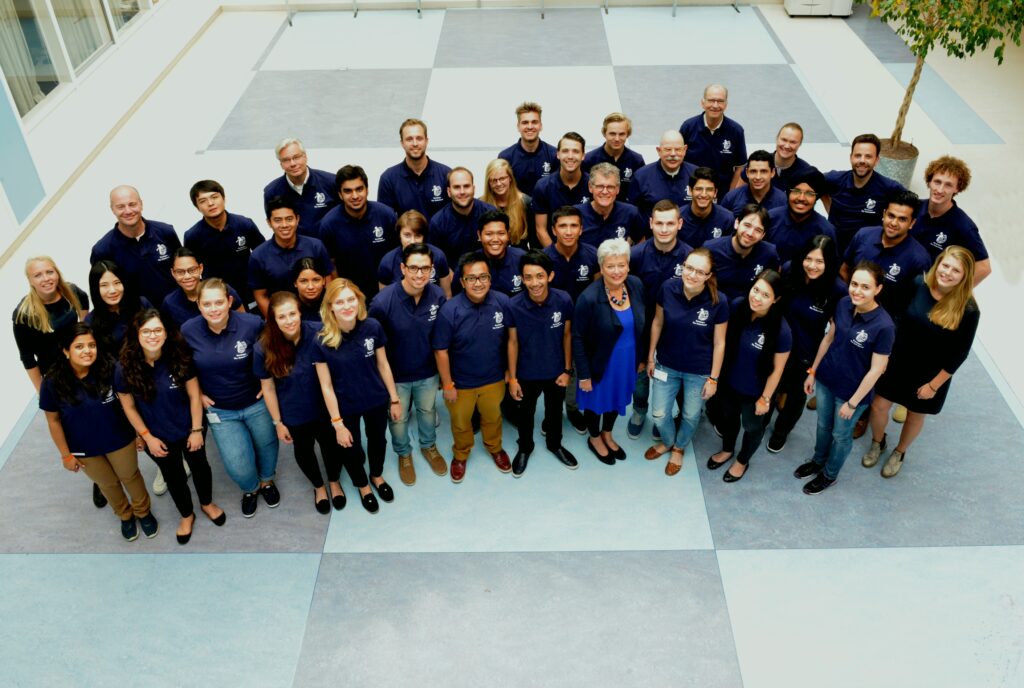
Growth and Leadership
Since 1997, the coordination of the Summer School has been shared with Dr. J. de Vries, Prof. Dr. J.L.N. Roodenburg and Prof. Dr. B. Szabó. Under their joint leadership, the program expanded both in scope, structure and academic depth, integrating multiple oncological disciplines and fostering international collaboration. A broad range of oncological disciplines was integrated into the curriculum, including medical oncology, surgical oncology, radiation oncology, pathology, radiology, molecular oncology and supportive care. This multidisciplinary framewok highlights the importance of collaboration between specialties and demostrates how complex oncological decisions are made in clinical practice. Their efforts helped establish the Summer School as a respected and recurring educational program! (2)
Collaboration
In 1999, the Medical Unerversity of Vienna initiated its own Summer School Oncology program (3). This development led to a close and enduring collaboration between the University Medical Center Groningen and the Medical University of Vienna. Since then, the two institutions have jointly organized the International Summer School Oncology in alternating years, hosted in Groningen and Vienna respectively. This partnership has significantly enriched the program by bringing together diverse academic perspectives, clinical expertise and cultural experiences, further strengthening its international character.

Global learning community and Innovation
Over the years, the Summer School has welcomed medical students from universities across Europe and beyond, creating a diverse and stimulating learning environment. The international composition of the student group enhances discussions and broadens perspectives on cancer care worldwide. During the Summer School, participants make long lasting professional and personal connections and often remain engaged in oncology-related research, education and clinical practice, reflecting the lasting impact of the Summer School on career development.
The Summer School has also been the subject of scholarly work evaluating the evolution and refinement of the course format. A study published in the Journal of Cancer Education describes how the program adapted its structure over more than two decades: shortening the course, integrating scientific writing and presantation training and involving medical students in leadership roles within the organizing committee, while maintaining high levels of student satisfaction and learning outcomes. (4)
The Summer School Today
Today, the International Summer School Oncology is led by Dr. Christian Hammer, together with a dedicated committee of academic staff and medical students. The active involvement of students in both the organizational and educational aspacts of the program ensures that the Summer School of Oncology remains responsive to the evolving needs of medical education. The program continues to evolve, offering a dynamic curriculum that includes lectures bij leading experts, interactive case discussions, practical workshops and opportunities for networking and cultural exchange. Through its long-standing tradition and continuous innovation, the Summer School remains committed to inspiring future physicians to engage in oncology and to contribute to high-quality, compassionate cancer care worldwide.

References
1) Haagedoorn EM, J Oldhoff, Bender W. Report of an international summer school–oncology for medical students–in 1996 in Groningen, The Netherlands. PubMed. 1997 Jan 1;12(1):56–8. Available from: Report of an international summer school–oncology for medical students–in 1996 in Groningen, The Netherlands – PubMed
2) Jakob de Vries, Szabo B, DT Sleijfer. The educational yield of the international summer school “Oncology for medical students.” Journal of Cancer Education [Internet]. 2025 [cited 2025 Dec 16];17(3):115–20. Available from: https://research.rug.nl/en/publications/the-educational-yield-of-the-international-summer-school-oncology/?
3) Lütgendorf-Caucig C, Kaiser PA, Machacek A, Waldstein C, Pötter R, Löffler-Stastka H. Vienna Summer School on Oncology: how to teach clinical decision making in a multidisciplinary environment. BMC Medical Education. 2017 Jun 6;17(1). Available from: Vienna Summer School on Oncology: how to teach clinical decision making in a multidisciplinary environment | BMC Medical Education
4) Boske ECE, Nienhuis PH, Hammer C, Jalving M, Kruyt FAE, de Vries J, et al. The Summer School Oncology Groningen: Improving a Successful International Course by Refining the Old, Maintaining What’s Good. Journal of Cancer Education [Internet]. 2021 Feb 1 [cited 2025 Dec 16];37(4):1228–35. Available from: https://pmc.ncbi.nlm.nih.gov/articles/PMC9399066/
Groningen
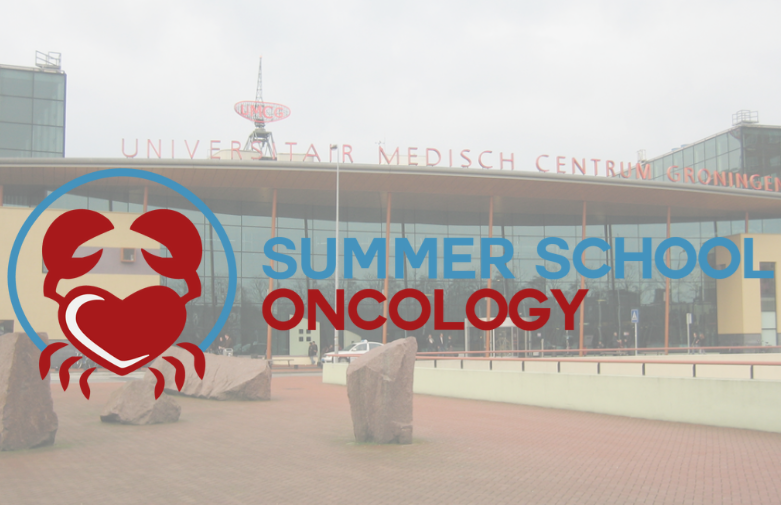
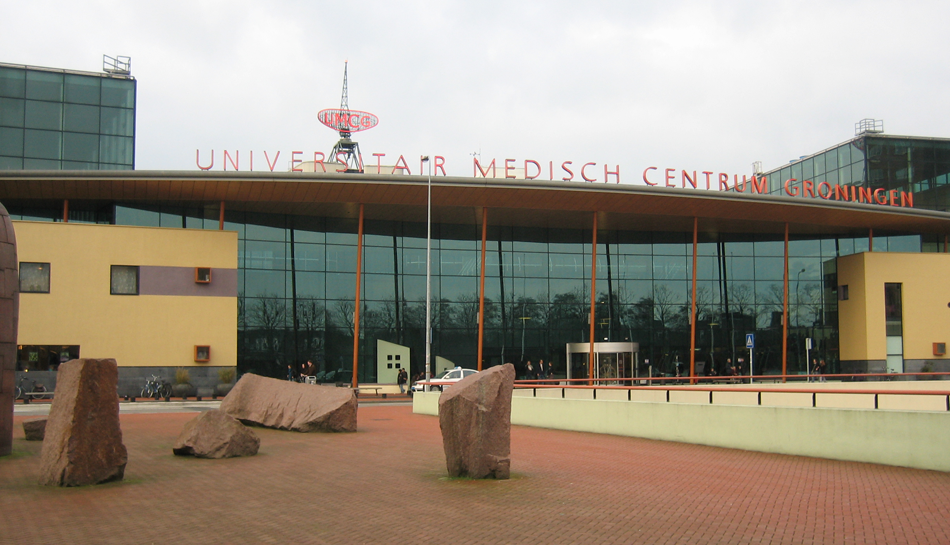
This summer school takes place in the vibrant student city Groningen, the Netherlands. The University Medisch Centrum Groningen (UMCG) is the academic hospital of the city and is also where the summer school is organised.
Coordinators
The summer school is organised by a team of medical students and different specialists from the hospital. Divided in various committees they take care of everything related to the summer school.